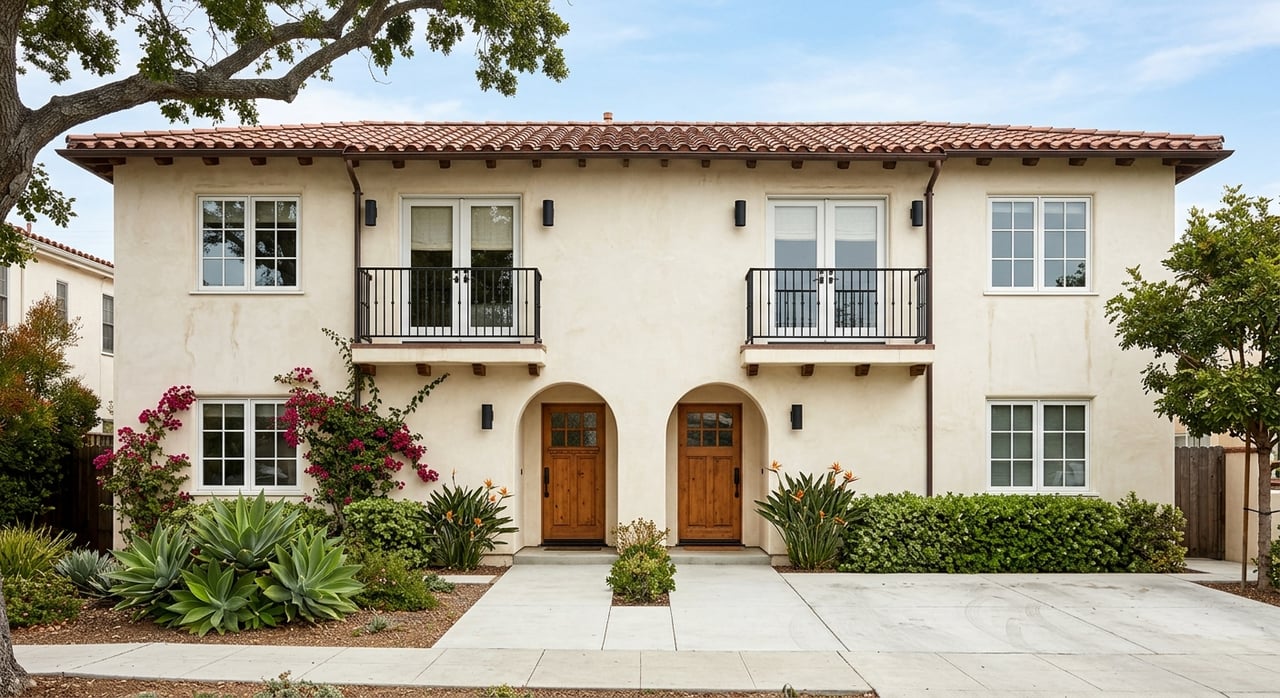
If you want to start investing in Long Beach real estate without jumping straight into a large apartment building, a duplex, triplex, or fourplex can be a smart place to begin. Long Beach has the kind of housing stock that often fits this strategy: older multifamily properties, strong renter demand, and a mix of coastal and central neighborhoods with different price and rent profiles. If you are looking for cash flow, house-hacking potential, or long-term upside through improvements, this market offers real possibilities, but it also rewards careful due diligence. Let’s dive in.
Why Long Beach Fits Small Multifamily
Long Beach stands out because it is already a renter-heavy city. According to the city's Housing Element, about 60% of residents rent, and 55% of renter households are housing cost-burdened. That matters because it points to steady rental demand and makes small multifamily housing an important part of the local housing picture.
The city also has the right physical inventory for this type of investment. The same Housing Element shows that 12.2% of units were in 2 to 4 unit buildings and 38.8% were in 5+ unit buildings, with 70% of the housing stock built before 1970. In plain terms, Long Beach has a lot of older small multifamily properties that may offer value-add potential, especially if you are open to renovations and hands-on management.
What Makes Duplexes to Fourplexes Appealing
Small multi-unit properties can give you more flexibility than a single-family rental. You may be able to live in one unit and rent the others, spread vacancy risk across multiple units, or improve one unit at a time instead of taking on a larger apartment building all at once. For many first-time investors, that lower barrier to entry is a big part of the appeal.
In Long Beach, this strategy is especially relevant because the city is planning for more housing types near jobs and public transportation, including ADUs, duplexes, and bungalows, as noted in the Housing Element. The city’s sixth-cycle housing target is 26,502 units, which signals ongoing policy support for added housing capacity. That does not guarantee easy approvals on every site, but it does mean small multifamily is part of the bigger local housing conversation.
How Long Beach Rents Support Demand
When you evaluate a small multifamily deal, rent levels are one of the first numbers to study. RentCafe reports current Long Beach apartment rents around $2,645 per month, while the Census Bureau ACS places median gross rent at $1,871. These figures use different methods, so it is better to think of them as two ways to view the market rather than one exact benchmark.
What is more important is the bigger pattern. Long Beach has a broad renter base tied to multiple industries, and vacancy has remained relatively tight. Matthews reported a 3.1% vacancy rate in its 4Q24 Long Beach multifamily data, which suggests that well-located rental housing still sees meaningful demand.
What Cap Rates May Look Like
Cap rates in Long Beach vary depending on condition, location, and upside. Matthews reported a 4.2% Long Beach multifamily cap rate in 4Q24, with a 3-year average of 3.8%, while broader Los Angeles County reports from Northmarq showed average multifamily cap rates of 5.4% in Q2 2025 and 5.6% in Q4 2025. Individual properties can trade above or below that range depending on how stabilized or management-intensive they are.
A practical takeaway is that stabilized Long Beach small multifamily often appears to underwrite somewhere in the mid-4% to mid-5% range, while heavier value-add deals may price higher. That range is an inference from the cited reports, not an official market benchmark, but it is useful when you compare opportunities. For you as a buyer, this means Long Beach may sit in a middle ground between very expensive coastal submarkets and more cash-flow-driven inland areas.
Where Small Multifamily Opportunities Show Up
Long Beach is not one uniform market. Some areas command a clear premium, especially closer to the coast or downtown-adjacent locations, while more central and inland pockets may offer lower entry pricing. This split can shape whether your strategy leans more toward stronger current rents or more room for upside.
Current RentCafe neighborhood data shows higher average rents in areas like East Village, West End Long Beach, Traffic Circle, Alamitos Beach, and Belmont Shore. Lower average rents were reported in Willmore City, Bixby Knolls, Bluff Heights, and Hamilton. Rather than treating this as a ranking of “best” neighborhoods, it is more helpful to see it as a pricing map that can help guide your investment goals.
Coastal and Downtown-Adjacent Areas
If you are targeting stronger rent potential, coastal and downtown-adjacent areas may stand out. These locations often benefit from proximity to shoreline amenities, employment centers, and transit connections. In many cases, that demand can support higher rents, but it may also come with higher acquisition prices and tighter margins.
Central and Inland Pockets
If your focus is better entry pricing or value-add potential, central and inland parts of Long Beach may deserve a closer look. Matthews highlighted South Wrigley and Cambodia Town as appealing multifamily submarkets because of their central location, freeway and transit access, and tenant demand. For many investors, these areas can offer a more balanced path between affordability and rental demand.
Why Older Housing Stock Matters
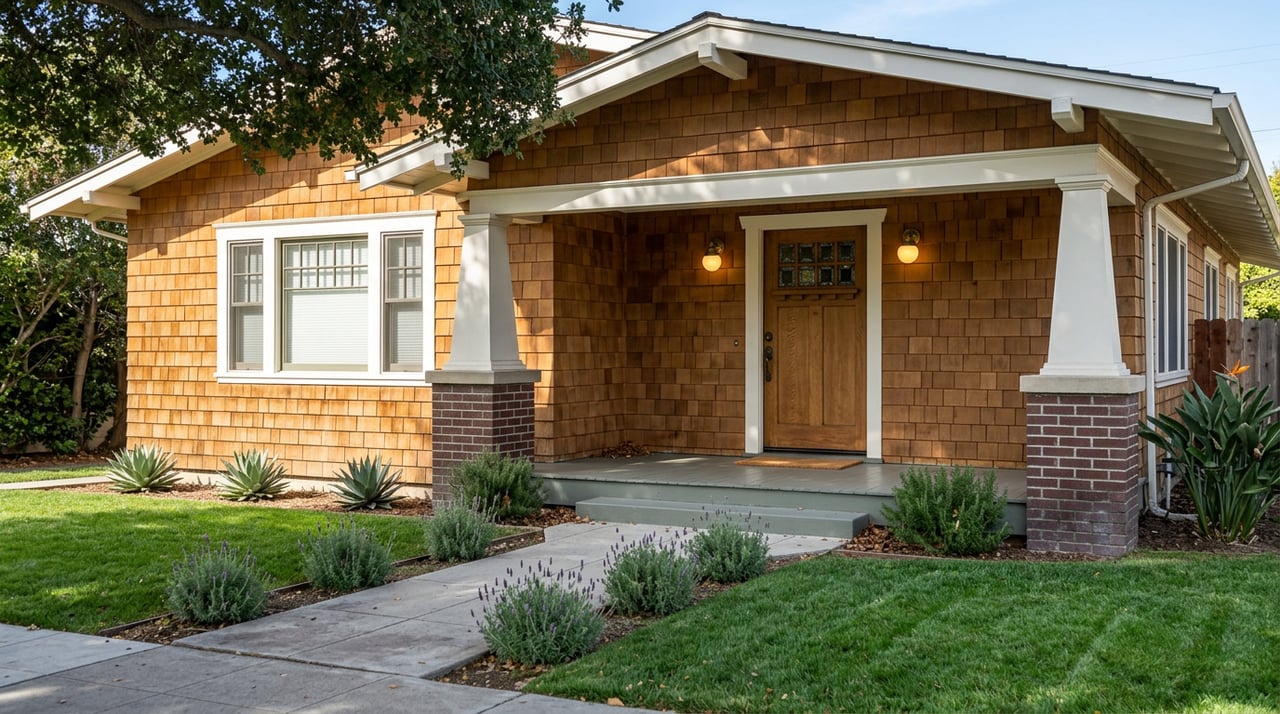
One of Long Beach’s biggest advantages for small multifamily investors is also one of its biggest challenges: age. The city has many older residential areas with early apartment and bungalow stock, including districts such as Drake Park/Willmore City, Rose Park, Linden Avenue, and Wrigley, according to the city’s historic preservation districts page. That older inventory is part of what gives Long Beach its supply of duplexes, triplexes, and fourplexes.
At the same time, older properties often need deeper due diligence. You may be looking at deferred maintenance, outdated systems, unpermitted work, or layout issues that affect renovation costs. In this market, buying a small multifamily property is often less about finding a perfect turn-key building and more about finding a property with realistic improvement potential.
Key Rules to Understand Before You Buy
Long Beach can be a great small multifamily market, but it is also a regulated one. Before you make assumptions about rent growth, renovations, or tenant turnover, you need to understand the legal and operational framework that applies to rental property.
California’s AB 1482 summary from the Attorney General explains that many covered units are subject to annual rent increase limits of 5% plus inflation, or 10%, whichever is lower, along with statewide just-cause protections. Long Beach also has its own just-cause ordinance that generally applies after 12 months of lawful tenancy, with some exemptions for certain owner-occupied situations, including some owner-occupied duplexes.
For no-fault terminations, Long Beach requires relocation assistance in certain situations. The amount can be $4,500 or two months’ rent for demolition or substantial remodel cases, or one month’s rent for other no-fault cases. These rules can affect your renovation timeline, occupancy plans, and overall underwriting.
Why Inspections and Compliance Matter
Operational compliance is another major part of buying well in Long Beach. The city’s PRHIP program authorizes periodic inspections of residential rental properties, which means condition and code compliance matter beyond the usual buyer inspection process. If a property has unresolved issues, you want to know that before closing, not after.
Short-term rental assumptions also need extra caution. Long Beach requires registration, a $400 annual application or renewal fee, transient occupancy tax collection, and compliance with prohibited-buildings rules that may restrict STR activity on certain properties. If you are evaluating a building based on future STR income, that should be verified very early.
What to Underwrite Carefully
In a market like Long Beach, smart investing usually comes down to disciplined underwriting. It is easy to focus on upside, but the stronger approach is to test every assumption before you commit. That is especially true when you are buying an older asset in a regulated city.
Here are a few items worth reviewing closely:
- Current in-place rents versus realistic market rents
- Vacancy assumptions, especially by submarket
- Property condition and likely capital improvements
- Local rent and tenant protection rules
- PRHIP inspection exposure and code compliance
- ADU or future site potential where applicable
- Transit access and proximity to job centers
- Whether your strategy depends on owner occupancy, renovations, or both
A Smart Way to Think About Long Beach Deals
The best Long Beach small multifamily investments are not always the flashiest listings. Often, the more durable opportunities are properties where the numbers make sense today and the upside is realistic, not speculative. In this market, that usually means balancing rent potential, location, age of improvements, and the legal framework around tenants.
If you are house-hacking, your priorities may be different from someone building a small portfolio. You may care more about owner-occupant exemptions, livability, and long-term flexibility. If you are a pure investor, you may focus more on rent roll quality, expense control, and whether improvements can be done in a compliant, practical way.
Bottom Line for Small Investors
Long Beach can be a compelling market for duplexes, triplexes, and fourplexes because it combines strong renter demand, a large stock of older multifamily housing, and varied submarkets that support different strategies. Coastal and downtown-adjacent areas may support higher rents, while central and inland pockets may offer better entry points and value-add potential. The tradeoff is that this is a market where tenant laws, inspections, and property condition all deserve close attention.
If you want to invest in Long Beach small multifamily, it helps to work with an agent who understands both the neighborhood-level differences and the details that can affect your returns. If you are ready to explore duplexes, triplexes, or fourplexes in Long Beach, connect with Elizabeth Sanchez to schedule your free consultation.
FAQs
What makes Long Beach a good market for small multi-unit investing?
- Long Beach has a renter-heavy population, older housing stock, and a meaningful share of 2 to 4 unit properties, which can support both house-hacking and value-add investment strategies.
What cap rates should you expect for Long Beach multifamily properties?
- Based on the research provided, stabilized Long Beach multifamily often appears to fall in the mid-4% to mid-5% range, while value-add deals may trade higher depending on risk and upside.
What Long Beach neighborhoods may be worth watching for duplexes and fourplexes?
- Coastal and downtown-adjacent areas may support stronger rents, while central and inland pockets such as South Wrigley and Cambodia Town may offer more accessible entry pricing and solid tenant demand.
What rent rules should you know before buying a Long Beach rental property?
- Many properties may be subject to California AB 1482 rent caps and just-cause rules, and Long Beach also has local just-cause and relocation assistance requirements that can affect your investment plan.
What should you check before buying an older Long Beach multifamily property?
- You should closely review property condition, code compliance, rent rolls, inspection exposure, renovation assumptions, and any future ADU or reuse potential before moving forward.
Can you use short-term rentals in a Long Beach multi-unit property?
- Possibly, but Long Beach has registration rules, fees, tax requirements, and prohibited-building restrictions, so short-term rental use should always be verified early in your due diligence process.