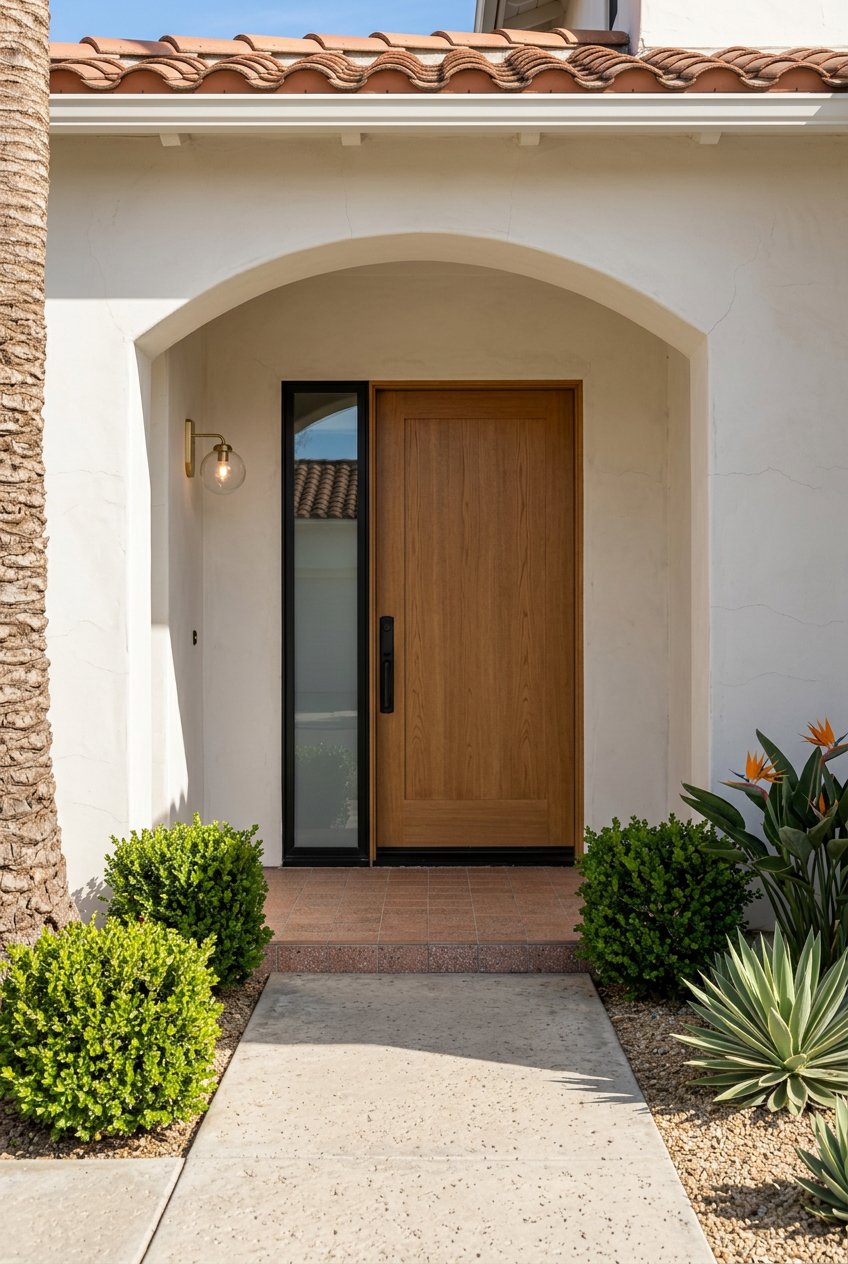
Buying your first home in Santa Ana can feel exciting and a little overwhelming. You want the right neighborhood, a payment you can afford, and a place that fits your daily life. With a mix of historic homes, condos, and townhomes, Santa Ana offers real options if you know where to look. This guide breaks down neighborhood vibes, transit and lifestyle tips, and local programs that can help you get the keys. Let’s dive in.
Santa Ana at a glance
Santa Ana is a vibrant, majority‑Latino city with deep community roots. According to U.S. Census QuickFacts, about 76.6% of residents are Hispanic or Latino, owner‑occupied housing is around 44.6%, and the median owner‑occupied home value is about $713,000. You also see a mean commute time of roughly 24 to 25 minutes, which reflects the city’s central OC location and job access. You can view these figures on the Census site for context.
Citywide market trackers estimate a typical Santa Ana home value around the high six to low seven figures, with recent snapshots near $839,000 to $847,500. Rents average in the mid‑$2,700s per month. Think of these as ballpark numbers that vary by property type and micro‑location.
Transit is a real advantage here. The Santa Ana Regional Transportation Center connects you to Metrolink and Amtrak service, and you have easy access to the I‑5, 405, and 55 for driving. Proximity to John Wayne Airport keeps regional and business travel simple.
How to choose your neighborhood
Budget and financing first
Before you fall in love with a block, clarify your financing. The City of Santa Ana’s My First Home program provides 0% deferred down‑payment loans up to $120,000 for eligible first‑time buyers, with income and purchase‑price limits. The program requires a minimum 3% personal contribution and a HUD‑approved 8‑hour homebuyer education course. Funding is limited and the application window may close at times, so check the city’s page for current status and details on workshops.
State programs can complement local aid. CalHFA’s MyHome and GSFA assistance are commonly paired with qualifying mortgages. Review their current income and price limits for Orange County, then talk with a lender who originates these loans.
Consejo rápido: Hablamos español. If you prefer, you can complete required education with a local HUD‑certified nonprofit that offers bilingual support.
Commute and transit fit
If you plan to use rail, look for neighborhoods with quick access to the Santa Ana Regional Transportation Center and strong bus connections. Downtown and South Coast Metro tend to offer the best walkability and transit access. Other areas are more car‑oriented, so weigh parking, freeway access, and your typical routes.
Schools and parks
If schools are part of your decision, confirm assignment with the Santa Ana Unified School District for any specific address. Neighborhood parks like Santiago Park and Thornton Park add easy outdoor time. Santa Ana’s Neighborhood Initiatives pages help you find local associations, park contacts, and community resources.
Home type and maintenance
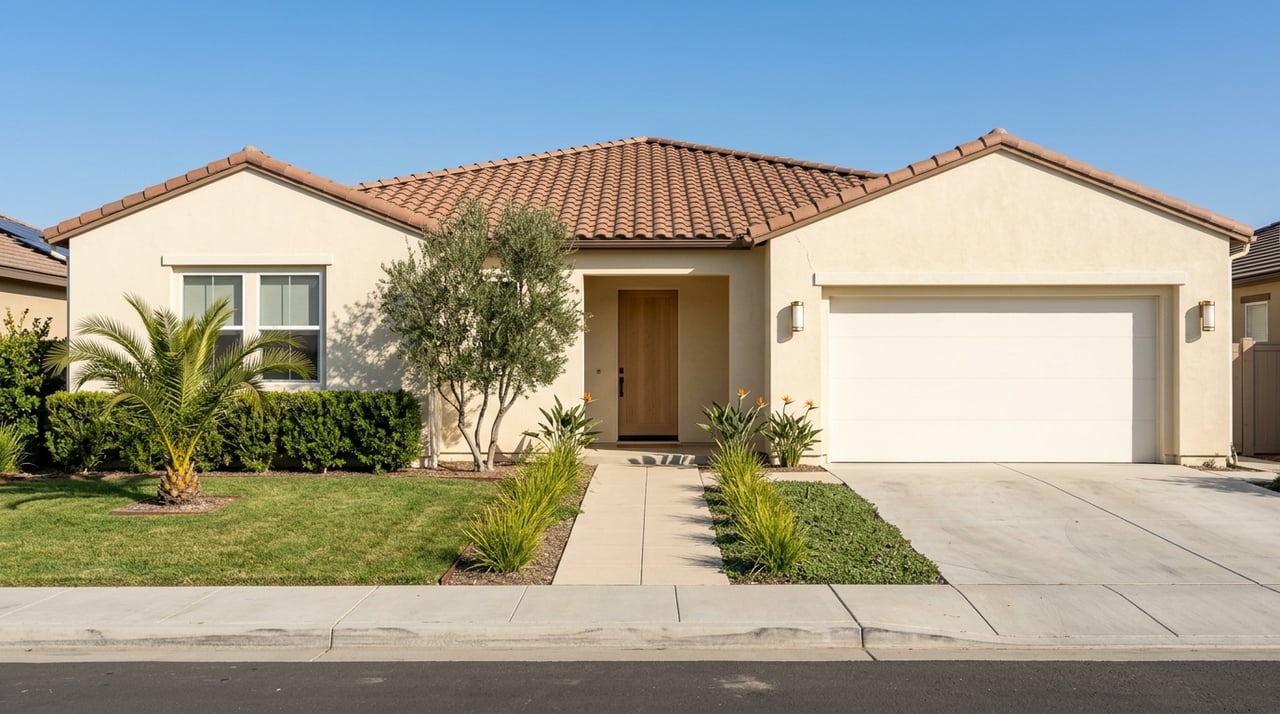
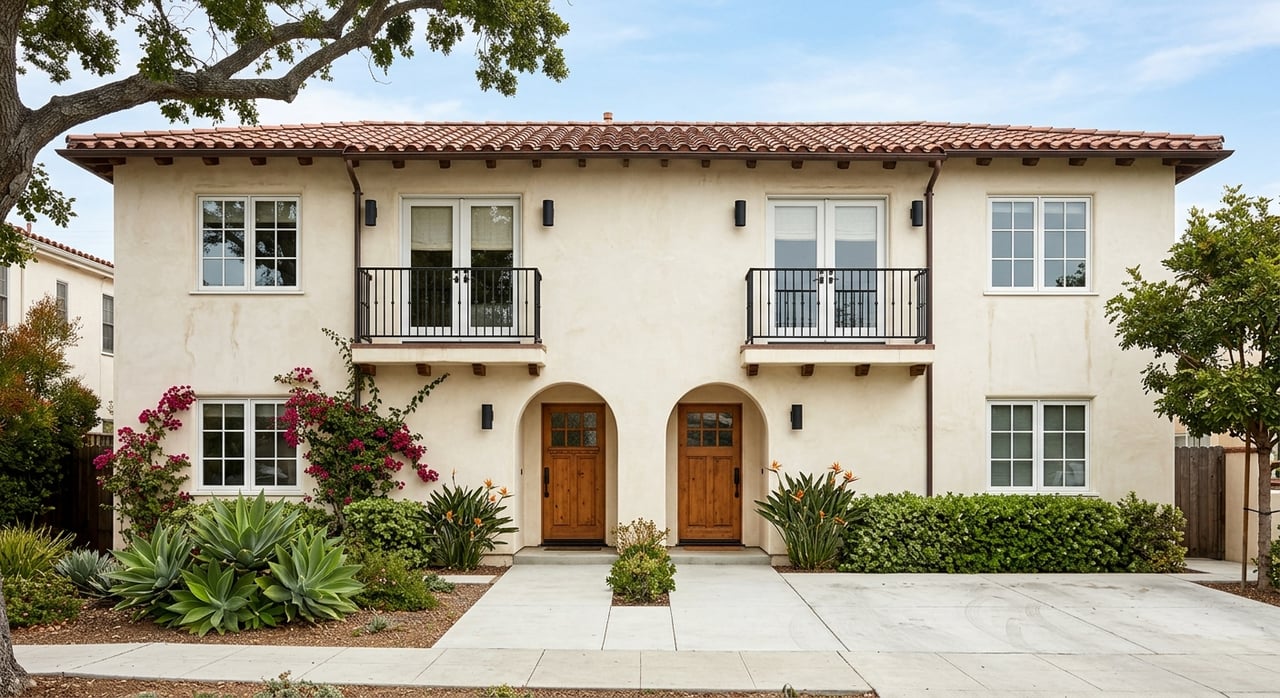
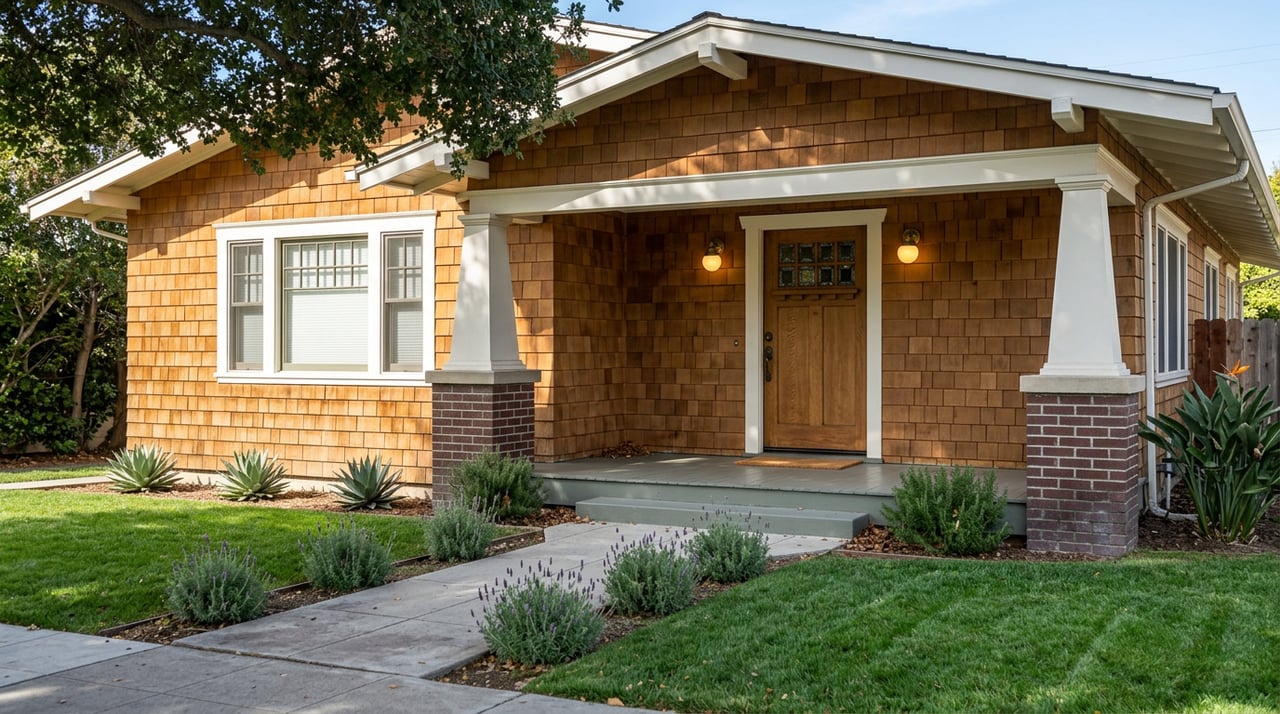
You will see a wide range of home types: early‑20th‑century bungalows and Spanish Revival homes in historic areas, midcentury single‑family homes inland and near South Coast Metro, plus condos, lofts, and newer infill townhomes in and around Downtown and major retail nodes. Many older homes may need upgrades to electrical, plumbing, or energy systems, so plan for inspections and reserves. In historic districts like Floral Park, exterior changes can have design constraints, so review neighborhood and city guidance first and check the city’s land use resources when considering renovations or additions.
Neighborhood profiles for first‑time buyers
Downtown and Artists Village
Santa Ana’s historic core combines culture and convenience. You will find lofts and adaptive‑reuse condos near galleries, pop‑ups, and frequent public events along Calle Cuatro and around Fourth Street Market. Expect strong walkability, diverse dining, and an easy connection to the Regional Transportation Center. Condos and smaller historic homes nearby can create more entry points for first‑time buyers who prioritize lifestyle and low maintenance.
Pico‑Lowell and Mid‑City
Just west and southwest of Downtown, Pico‑Lowell and nearby Mid‑City blocks are known for walkable streets and a creative feel. Housing includes many smaller single‑story homes and apartment or condo options. If you want close‑in living at price points that can be more approachable than coastal OC, this area is worth a look. Inventory varies, so compare HOA dues, parking, and any upcoming assessments for condo buildings.
Heninger Park and Wilshire Square
South of Downtown, Heninger Park and Wilshire Square feature tree‑lined streets with Craftsman, Tudor, and Spanish‑Revival homes from roughly 1900 to 1940. These neighborhoods have active resident groups and an emphasis on preservation. If you value classic architecture and nearby parks with quick access to city amenities, put these on your tour list. Explore the city’s page for Heninger Park and the Wilshire Square association for events and neighborhood context.
Floral Park
Floral Park is a designated historic neighborhood known for architecturally distinctive homes from the 1920s through the 1950s, often on larger lots. Buyers love the strong neighborhood identity and community events. Older homes can need modernization, and historic‑district design guidelines may apply, so factor that into your budget and timeline. You can learn about its history and preservation focus through the neighborhood association.
South Coast Metro, Sandpointe, and the South Coast area
Bordering Costa Mesa, the South Coast area places you near South Coast Plaza and the Segerstrom Center. Housing ranges from midcentury single‑family homes to townhomes and condo communities, which can be an entry path for first‑time buyers. Location is a key draw if you want quick access to arts, retail, and major job centers.
Mobile‑home and manufactured‑housing options
Santa Ana also has several mobile home parks. These can offer the most affordable path to long‑term ownership in the city. Keep in mind that financing, park rules, and lot rent differ from traditional fee‑simple homes. Use the city’s neighborhood pages to identify park contacts and review community guidelines.
Two first‑time buyer paths, step by step
Scenario A: Condo or loft near Downtown
- Your goals: walkability, lower maintenance, access to transit and nightlife.
- Typical path: get preapproved with a lender that offers CalHFA options, complete the HUD 8‑hour class, then apply for the City’s My First Home loan if the window is open.
- Due diligence: compare HOA budgets and reserves, study HOA rules on pets/parking, review special assessments, and verify commute time from the unit to the Santa Ana station.
Scenario B: Starter single‑family in a central or South Coast area
- Your goals: private yard, flexible space, and proximity to parks or schools.
- Typical path: conventional or FHA financing paired with state assistance if eligible, plus a careful inspection for older systems, sewer line condition, and energy efficiency.
- Due diligence: confirm any historic or design guidelines, price out key upgrades, and map your daily drive to the I‑5, 55, or 405.
Your first‑home action plan
- Set your budget and preapproval. Ask lenders about CalHFA and GSFA pairing options for first‑time buyers.
- Complete a HUD‑approved 8‑hour homebuyer education course through a local provider, then keep your certificate handy for program eligibility.
- Check Santa Ana’s My First Home page for current application status, income and purchase‑price limits, and workshop dates.
- Tour three to five neighborhoods that match your lifestyle, commute, and budget.
- Compare total monthly cost by property type, including HOA dues or lot rent for mobile homes.
- For older homes, budget for upgrades, and consult the city’s land use resources if you plan additions.
- Connect with neighborhood associations to learn about events, improvement projects, and local contacts.
- Make offers with a clear plan for inspections, appraisal, and any program timelines.
Local living: culture, parks, and community
Beyond floor plans and interest rates, Santa Ana’s culture stands out. The Bowers Museum anchors museum programming and family‑friendly exhibitions, while Downtown festivals and markets add year‑round energy. Parks like Santiago Park provide trails and open space, and Discovery Cube OC just north of town is a popular STEM destination for weekend learning. Use the city’s Neighborhood Initiatives pages to plug into community meetings, safety updates, and association calendars.
If you are a Spanish‑speaking or first‑generation buyer, know that support is available at every step. Bilingual counseling, HUD‑approved classes, and city workshops make the process clearer and more approachable.
Ready to map your next step in Santa Ana? Get local, bilingual guidance that puts your goals first. Schedule a friendly, no‑pressure strategy call with Elizabeth Sanchez today.
FAQs
What are current Santa Ana home prices for first‑time buyers to consider?
- Market trackers estimate a typical Santa Ana home value near $839,000, with recent median sale figures around $847,500, and average rent in the mid‑$2,700s. Always review fresh comps by property type and neighborhood.
How does Santa Ana’s My First Home down‑payment assistance work?
- The program offers 0% deferred loans up to $120,000 for eligible first‑time buyers, with a 3% personal contribution, income and price limits, and a HUD 8‑hour class requirement. Check the city page for current application status and full rules.
Which Santa Ana neighborhoods are most walkable for first‑time buyers?
- Downtown and Artists Village and the South Coast Metro area tend to offer the strongest mix of walkability, transit access, and condo or townhome options. Visit during your typical commute times to confirm the fit.
What should I know about older or historic homes in Santa Ana?
- Many homes in historic districts like Floral Park and classic areas such as Wilshire Square and Heninger Park may need system upgrades. Review any historic‑district design guidelines, scope inspections carefully, and consult city land use resources if you plan exterior changes.
Is Santa Ana more affordable than nearby Irvine or Costa Mesa?
- In many snapshots, Santa Ana trends below Irvine and some coastal cities on price. Neighborhood choice and property type matter, so compare condos, townhomes, and smaller single‑family homes across shortlists before deciding.
Links referenced in this guide:
- Review city demographics and commute data on Census QuickFacts: Santa Ana profile.
- Explore down‑payment assistance and workshops: Santa Ana My First Home.
- Find bilingual HUD‑approved counseling and classes: Orange County Community Housing Corporation.
- Connect with local associations and neighborhood contacts: Santa Ana Neighborhood Initiatives.
- Plan rail commutes and station access: Metrolink — Santa Ana.
- Learn Floral Park history and preservation context: Floral Park Association.
- See Wilshire Square neighborhood info: Wilshire Square Association.
- Read the city’s Heninger Park overview: Heninger Park Neighborhood.
- Check land use guidance before planning additions: City of Santa Ana Land Use Element.
- Explore museum programming and exhibitions: Bowers Museum.