If you love warm wood, wide porches, and the soul of handcrafted details, a Pasadena Craftsman or character home may be calling your name. These houses are special, and buying one is a little different from buying a newer build. In this guide, you’ll learn what to look for, what inspections to order, how preservation rules work, realistic cost ranges, and financing paths that can help. Let’s dive in.
Why Craftsman homes stand out in Pasadena
A city shaped by Arts & Crafts
Pasadena is a national center for the American Arts & Crafts movement. High-style works by Greene & Greene still inspire buyers today, and you can see an intact public example at the Gamble House, a touchstone for authentic craftsmanship and design. If you want a sense of what “right” looks like, a visit there helps sharpen your eye.
Hallmark exterior and interior details
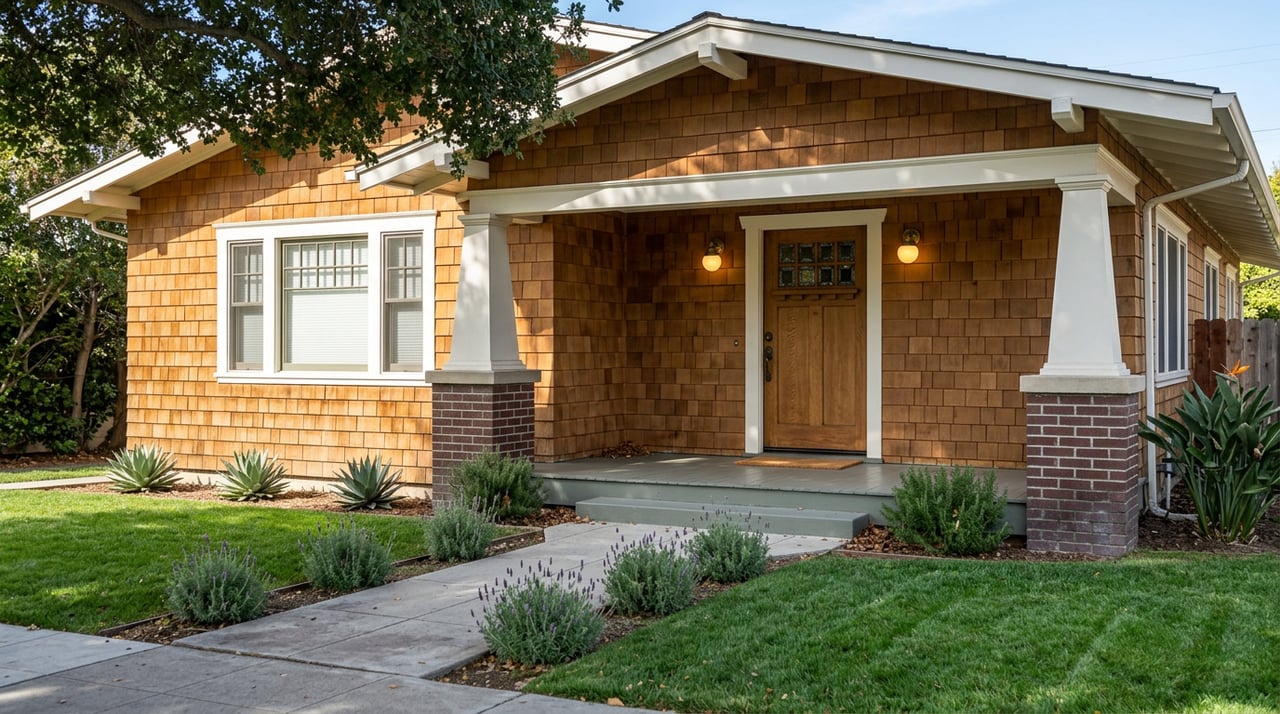
Character homes in Pasadena often show low-pitched gabled roofs, wide overhanging eaves with exposed rafter tails, and generous front porches with tapered posts on masonry piers. The City’s preservation guidance documents these features and how to treat them during repairs and upgrades. Inside, buyers prize built-ins, thick millwork, art glass, Batchelder tile, and plaster walls that give these homes their warmth and texture.
- Learn the city’s preservation approach in the Design Guidelines for Historic Districts: City of Pasadena design guidelines
- Explore an iconic example of Greene & Greene’s work at the Gamble House
Where to find character homes
Landmark districts to watch
Pasadena’s landmark districts, including Bungalow Heaven, preserve concentrated blocks of early-1900s Craftsman and Arts & Crafts houses. If a home sits in a designated district, the City’s design guidelines apply to exterior work visible from the street. That clarity helps you plan ahead and protect the features you fell in love with.
Preservation culture and support
Local advocacy and city programs create a strong preservation culture. You will find clear steps for projects that touch original fabric, plus a public process that aims to keep neighborhood character intact. This culture is part of why Pasadena’s character homes feel timeless.
What to inspect before you buy
Older homes reward careful due diligence. A standard home inspection is a start, but most buyers add specialists who know historic houses. The American Society of Home Inspectors recommends layered, age-aware inspections for older properties. See their guidance on older homes here: ASHI’s recommendations
Structure and seismic safety
Many Craftsman bungalows sit on raised foundations that may need modern bolting or bracing to perform better in an earthquake. Expect to evaluate cripple walls, anchorage, and any signs of settlement or sagging. Typical contractor brace-and-bolt retrofits often fall in the low-to-mid thousands for straightforward homes, with complexity adding cost. Learn scope and typical ranges through Earthquake Brace + Bolt.
Termites and moisture
Southern California has both drywood and subterranean termites, and drywood infestations can be hard to spot until damage advances. Order a licensed wood-destroying organism inspection and budget for potential treatment and wood repair. UC’s Integrated Pest Management program explains detection and management of drywood termites: UC IPM termite guidance.
Electrical systems
Knob-and-tube or cloth-insulated wiring is common in pre-1940 houses. While age alone does not make wiring illegal, many insurers and lenders flag active knob-and-tube and may require repair or replacement for coverage or loan approval. Plan for a panel upgrade and possibly a partial or full rewire if original wiring remains. Learn why insurers and underwriters scrutinize old wiring via InterNACHI’s overview.
Plumbing and HVAC
Galvanized water lines, cast-iron stacks, and older gas lines can add cost during remodeling. HVAC systems may be undersized for today’s comfort expectations. Bring in plumbing and HVAC specialists if you see age or leaks, and include room in your budget for upgrades.
Lead paint and asbestos
Homes built before 1978 may contain lead-based paint. If you plan to disturb painted surfaces, the EPA and HUD require lead-safe practices and, in some cases, certified contractors. Federal program planning figures often budget lead hazard control in the low tens of thousands per home, depending on scope. Read HUD’s lead hazard program overview: HUD lead hazard reduction.
Renovation costs and smart budgeting
Every house is unique, but you can set expectations with typical ranges for Pasadena-area character homes. Always get local bids and add a contingency.
- Seismic brace and bolt for raised foundations: about 3,000 to 7,000 dollars for straightforward jobs, more for complex or hillside homes. See Earthquake Brace + Bolt for scope and potential grants.
- Electrical upgrades: panel and service upgrades often land in the low thousands; full rewires commonly range from the mid 5,000s to 20,000 dollars or more depending on size and access.
- Termite treatment and wood repair: inspections are typically modest in cost, while treatment and repairs can range from the low thousands to much more if structural members need replacement.
- Lead hazard control: federal program averages often use roughly 14,000 dollars per home for planning, though actual costs vary by materials, surfaces, and scope. Reference: HUD lead hazard reduction.
- Kitchens and baths: expect tens of thousands for minor updates and more for gut remodels, with variable resale recapture depending on finish level.
Budget tips for success:
- Prioritize structure, safety, and envelope first. Then tackle systems, then finishes.
- Repair original features when feasible. Restoration often preserves value better than commodity replacements.
- Build a 10 to 30 percent contingency, especially when opening walls in older homes.
Rules, permits, and tax incentives in Pasadena
Designation and design review
If a property is a designated landmark or inside a landmark district like Bungalow Heaven, exterior changes visible from the street usually need design review or a Certificate of Appropriateness. The City’s guidelines reference the Secretary of the Interior’s Standards for Rehabilitation, which shape what is considered compatible. Review the City’s guidance before planning work: Pasadena historic district guidelines.
Mills Act basics
The Mills Act lets qualified owners of historic properties apply for a contract that can significantly reduce property taxes in exchange for long-term maintenance and rehabilitation commitments. Contracts are selective and recorded against the property, and Pasadena runs an annual application cycle. Start with the City’s program page to learn eligibility and process: Pasadena Mills Act program.
Market snapshot and value considerations
Recent public snapshots suggest Pasadena’s median sale price hovers around the low to mid 1.2 million range, depending on the time of year and data source. Always confirm the latest numbers with current MLS reports. Well-maintained historic neighborhoods often show strong price stability and, in many cases, premiums relative to comparable areas. See a summary of preservation’s economic benefits here: Historic preservation and property values.
Buyer checklist for Pasadena character homes
- Pre-offer: request permit history, any Certificates of Appropriateness, and any Mills Act contract details. Review City guidelines if the home is in a landmark district. Pasadena design guidelines
- Inspections: hire an old-house-savvy general inspector plus specialists for structure, WDO/termite, electrical, plumbing, HVAC, chimney, roof, and lead if pre-1978. ASHI on older-home inspections
- Budgeting: build a 10 to 30 percent contingency and plan for code upgrades and preservation-minded repairs.
- Financing: consider renovation loans that bundle purchase and repairs. FHA’s 203(k) and Fannie Mae’s HomeStyle are common options. FHA 203(k) overview | HomeStyle Renovation
- Insurance and lending: pre-check insurability if active knob-and-tube is present and confirm lender requirements for older systems. See InterNACHI on knob-and-tube and plan accordingly.
- Preservation path: photograph original features before work begins and plan repairs that retain historic fabric when feasible.
Ready to find your Pasadena Craftsman?
Buying a character home takes care and planning, but the payoff is daily life in a truly special place. With the right inspections, a smart budget, and a clear understanding of Pasadena’s preservation rules, you can buy with confidence and protect what makes your home unique. If you want a team that blends local know-how with patient, bilingual guidance, we are here to help. Hablamos español.
Have questions or want to tour available Craftsman and character homes in Pasadena? Reach out to Elizabeth Sanchez to schedule your free consultation.
FAQs
Do Pasadena landmark districts limit exterior changes?
- Yes. Exterior work visible from the street typically requires design review or a Certificate of Appropriateness and must follow the City’s guidelines and the Secretary of the Interior’s Standards; review the city guidelines before planning work.
What is the Mills Act and how could it affect my taxes?
- The Mills Act is a contract program that can significantly reduce property taxes for qualified historic properties in exchange for maintenance and rehabilitation commitments; see Pasadena’s process and eligibility on the Mills Act program page.
How much does an earthquake retrofit cost for a bungalow?
- Typical brace-and-bolt retrofits for raised foundations often run about 3,000 to 7,000 dollars for straightforward homes, with complex sites costing more; learn details from Earthquake Brace + Bolt.
Will knob-and-tube wiring affect my ability to get insurance or a loan?
- Many insurers and lenders flag active knob-and-tube and may require repair or replacement for coverage or loan approval; see InterNACHI’s overview and budget for upgrades if present.
What termite issues are common in Pasadena’s older homes?
- Drywood termites are common and can be hard to detect until damage advances; schedule a licensed WDO inspection and review UC IPM guidance on detection and treatment.
Which renovation loans work for fixer Craftsman homes?
- Two widely used options are FHA’s 203(k) for purchase plus rehab and Fannie Mae’s HomeStyle Renovation for conventional financing; read program details for FHA 203(k) and HomeStyle Renovation.