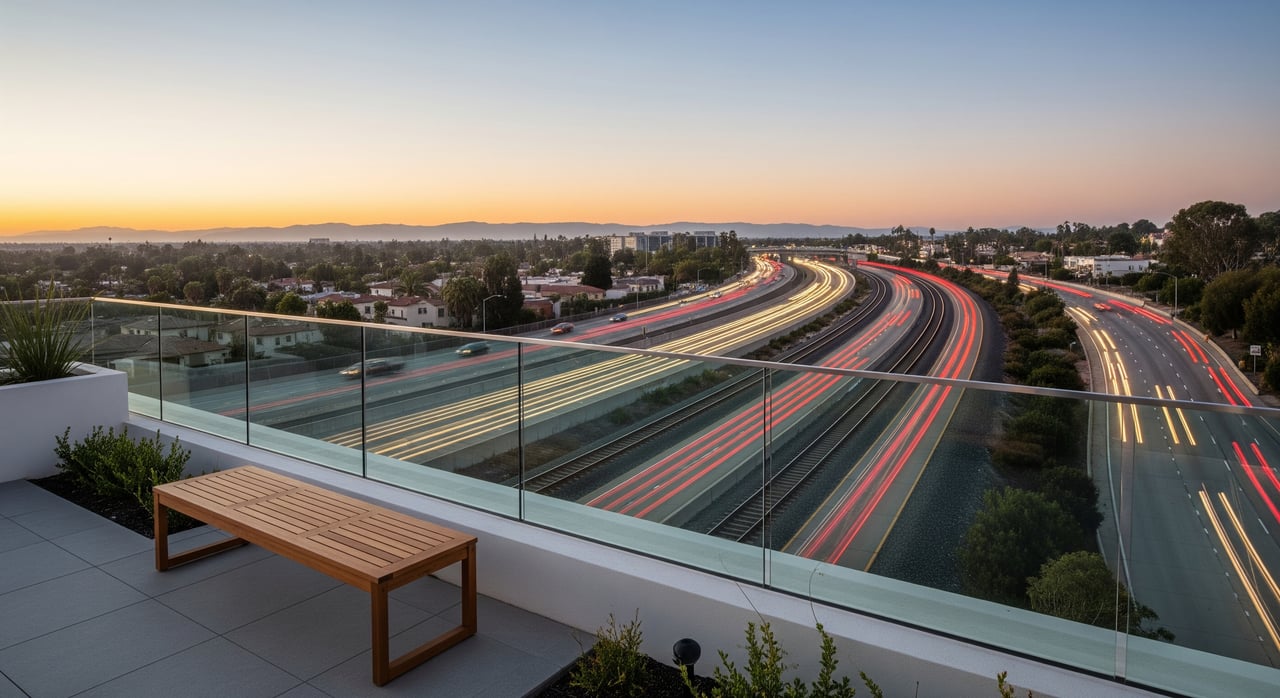
Is your next home in Fullerton, but your job is in LA or around Orange County? You are not alone. The right commute plan can save you hours each week, lower stress, and even shape which neighborhood fits you best. In this guide, you will get a clear look at train options, the I-5, SR-57, and SR-91 corridors, real timing windows, parking tips, and hybrid-work strategies. Let’s dive in.
How Fullerton’s rail works
Metrolink and Amtrak lines at Fullerton
Fullerton station is a key stop in the region’s commuter network. You can ride Metrolink on the Orange County Line, the 91/Perris Valley Line, and the Inland Empire–Orange County (IEOC) Line. These lines connect Fullerton to Los Angeles Union Station, cities across Orange County, and the Inland Empire. For schedules, tickets, and bike policies, check the official Metrolink site on the day you travel at the Metrolink website.
Amtrak’s Pacific Surfliner also stops in Fullerton. While it is intercity service with fewer daily trains than Metrolink, some runs can match your schedule and offer competitive travel times. Review current options on the Pacific Surfliner site before you plan.
When to ride and how to plan
Weekday commuter trains cluster around peak periods. Midday and weekend service is lighter, so always confirm first and last trains. If you bring a bike, check current bike rules and space availability. Ticketing and pass options vary by provider, so verify fare types and any transfer rules for your exact trip.
Tip: If your job is near Union Station or along a connecting LA Metro line, rail can give you a more predictable morning than the freeway during heavy congestion.
Freeways that shape your drive
I-5, SR-57, and SR-91 roles
- I-5 is the north–south backbone. From Fullerton, it carries you toward Downtown LA or south into central and southern Orange County.
- SR-57 runs north–south along the county’s eastern side and links to I-5 and the San Gabriel Valley. It is common for commuters who split time across counties.
- SR-91 is the main east–west route between the Inland Empire and Orange County and is a frequent congestion point, especially near the SR-57 and I-5 interchanges.
Peak windows and pinch points
Morning peaks build early, often starting around 6:00 to 6:30 a.m., and can extend through 9:00 to 10:00 a.m. Evening peaks often run from about 3:30 or 4:00 p.m. to 7:00 or 8:00 p.m. Interchanges where I-5, SR-57, and SR-91 meet can slow down even short trips. Special events and weather can widen these windows.
HOV and express lanes
Some corridors include HOV and express or toll lanes that can shorten travel time if you qualify or choose to pay a toll. Rules, hours, and participating segments change, so review current information and regional programs with the Orange County Transportation Authority at the OCTA website.
What changes your time day to day
Crashes, construction, and events around stadiums or resorts can add significant delay. Before you leave, check live traffic and closures on Caltrans QuickMap for a real-time picture of your route.
Real-world commute scenarios from Fullerton
Downtown Los Angeles / Union Station
- Rail: Metrolink and the Pacific Surfliner provide direct service to Union Station, a major hub with onward connections. This is often the most predictable option in heavy traffic.
- Driving: Northbound toward LA is usually congested during the morning peak. Starting before about 6:15 to 6:30 a.m. or after 9:30 to 10:00 a.m. can help. In the evening, expect a longer return if you leave during peak hours.
- Strategy: If your start time is fixed, compare a monthly rail pass to parking costs and drive time variability. If you drive, consider flexible hours or hybrid days.
Irvine and south/central Orange County
- Driving: Fullerton to Irvine is common and can be manageable off-peak. Expect delays during morning and evening peaks, especially near SR-55 and I-5 connectors and where SR-91 interacts with north–south routes.
- Rail: There is no direct Metrolink stop inside all Irvine job nodes. Some riders use rail plus local transit or employer shuttles, but last‑mile time can offset savings. Map your specific work address and transfer options.
- Strategy: Test both directions during your exact hours. If you can shift your start by 30 to 60 minutes, you often cut meaningful time.
Anaheim and northern Orange County
- Driving: Distances are short, which helps, but interchanges around I-5, SR-57, and SR-91 can create bursts of slowdowns at peak times.
- Rail: Depending on your exact destination, a short train ride plus a bus or ride-hail leg may work. Compare departure frequency and last-mile time.
- Strategy: Keep a backup plan on event days when traffic near major attractions spikes.
Riverside and the Inland Empire
- Driving: SR-91 eastbound is the primary corridor and can be heavy in the morning. Incidents can cause significant swings.
- Rail: Metrolink’s IEOC and 91/Perris Valley lines can be a strong alternative for a predictable schedule. Park at Fullerton station and ride.
- Strategy: Compare a monthly Metrolink pass to fuel and parking costs, especially if you commute multiple days per week.
Reverse commutes and non-traditional hours
You may find lighter traffic but less predictable patterns. HOV or express lanes can help in some segments. Reverse-peak trains and buses are more limited, so verify schedules in advance.
Parking and last‑mile at Fullerton Station
Station parking and permits
Fullerton station offers a mix of surface and structured parking that serves Metrolink and Amtrak riders. Lots can fill early on weekdays, especially near peak trains. Rules and availability change, so confirm current station information on the Metrolink site and review local parking policies with the City of Fullerton.
If you plan to rely on neighborhood street parking near the station, check for any residential permit zones or time limits with the City of Fullerton.
Getting to the platform without a car
- Local buses: OCTA routes connect neighborhoods and job centers across the county. Use OCTA’s trip planner to map connections that align with your schedule.
- Fullerton Transit: City resources can help you identify local connections to the station and downtown. Start with the City of Fullerton site to find current links and updates.
- Ride-hail, shuttles, and employer vans: These can close last‑mile gaps from the station to your workplace.
- Biking and walking: The downtown area is walkable in parts, and many riders bike to the station. Check current bike parking options before you go.
Hybrid and schedule strategies that save time
- Hybrid days: If your employer offers remote days, you can lower weekly commute hours and stress. Many Fullerton buyers choose homes based on how often they need to drive.
- Staggered hours: Starting earlier or later than the core peak can unlock a better drive or a less crowded train.
- Monthly planning: Compare a monthly rail pass to pay‑as‑you‑go fares plus parking. Ask about any employer parking or transit subsidies.
- Trial runs: Do a week of trial commutes at the exact times you would travel. Try both driving and train options to see what works in practice.
Simple commute planning checklist
- Map your primary destination, plus one backup route.
- Compare rail vs. drive for your exact schedule on a weekday and a weekend.
- Check live traffic and closures on Caltrans QuickMap before any test drive.
- Review Metrolink and Pacific Surfliner timetables and bike rules for your days.
- Price out a monthly rail pass vs. fuel, tolls, and parking.
- Test a carpool, vanpool, or HOV lane day through OCTA resources.
- Identify your station parking plan or a bus/bike alternative.
- Note special events that affect your corridor and shift your schedule when possible.
Choosing a Fullerton neighborhood with commute in mind
Start with your primary direction of travel. If you plan to ride rail several days per week, living closer to the station may make sense. If you drive to south or central OC, consider quick access to I-5 or SR-57. For Inland Empire commutes, access to SR-91 is important.
Also think about your hybrid schedule. If you work from home two or three days a week, you may prefer a larger home a bit farther from the station or main ramps. The key is to test your actual routes during your actual hours, then weigh the tradeoffs.
When you are ready to explore neighborhoods that fit your commute and lifestyle, reach out. Team Sanchez is local, bilingual, and ready to help you compare options.
Ready for a personal commute-and-neighborhood game plan? Connect with Elizabeth Sanchez for a friendly strategy session.
FAQs
Which trains serve Fullerton and go to Union Station?
- Metrolink’s Orange County, 91/Perris Valley, and IEOC lines serve Fullerton and connect to Union Station; the Pacific Surfliner also stops in Fullerton for select intercity runs.
How predictable is rail vs. driving from Fullerton?
- Peak‑period trains often offer more consistent travel times; freeway trips vary widely with crashes, construction, and events, so always check Caltrans QuickMap before you go.
What are the real windows to avoid on I-5, SR-57, and SR-91?
- Mornings often run heavy from about 6:00–10:00 a.m., evenings from about 3:30–8:00 p.m., with the I-5/SR-57/SR-91 interchanges as frequent pinch points.
Are express or toll lanes worth it for Fullerton commutes?
- They can reduce travel time if you qualify or pay a toll, but rules change by corridor; review current options and policies with OCTA before you decide.
Where can I find live traffic and closures before I leave?
- Use Caltrans QuickMap for real-time speeds, incidents, and lane closures on your route.
How early do Fullerton station parking lots fill?
- It varies by day and special events, but many weekday mornings see early fill; confirm current details on the Metrolink site and check City of Fullerton parking rules.
Can I reach Fullerton jobs by bus or bike instead of driving?
- Yes, OCTA bus routes and local connections can work for some commutes, and many riders bike to the station; plan with OCTA and the City of Fullerton for current options.
Helpful links referenced: Metrolink, Pacific Surfliner, Caltrans QuickMap, OCTA, City of Fullerton.